Category: General

  • The Perception of Too Many Meetings

    The Perception of Too Many Meetings

    The Problem: Meeting Overload

    In many organizations, there is a growing perception that employees are burdened with too many meetings. This perception is not unfounded, as research indicates that executives now spend nearly 23 hours a week in meetings, a significant increase from the 1960s when it was less than 10 hours[2]. This increase in meeting time can lead to several negative outcomes, including decreased productivity, employee dissatisfaction, and burnout.

    Causes of Excessive Meetings

    Several factors contribute to the proliferation of meetings:

    1. Lack of Trust: In some workplaces, a lack of trust among team members leads to frequent check-ins and updates, resulting in numerous meetings [3].
    2. Over-Reliance on Meetings for Communication: Some organizations default to meetings as the primary mode of communication, even when other methods might be more efficient [3].
    3. Micromanagement: Inexperienced entrepreneurs or managers may micromanage their teams, leading to unnecessary meetings [3].
    4. Lack of Clarity: Lack of Clarity: When goals, objectives, roles and expectations are not clearly defined and communicated, meetings are often used to repeatedly clarify and align on tasks, leading to an overload.

    Impact and Satisfaction

    With Michael, we picked the subtitle of our book, I am a Software Engineer and I am in Charge, to reflect what we believed were the most important things to achieve. The subtitle is The book that helps increase your impact and satisfaction at work. It appears clearly that excessive meetings led to the exact opposite.

    Excessive meetings lead to employee dissatisfaction and burnout, as they often feel their time is wasted and their work is neglected. This not only reduces job satisfaction but also disengages employees from their roles.

    Moreover, poorly timed or managed meetings can severely hinder productivity, preventing employees from completing their tasks efficiently.

    Toxic One-on-One Vicious Circle

    When a leader distributes context and information solely through one-on-one meetings, it can create a toxic cycle. These meetings often expand to include additional tasks and allow direct reports to voice complaints about their peers. In an attempt to address these issues, the leader may conduct even more one-on-one meetings, which can lead to mistrust and dysfunction within the team. This approach fosters a lack of transparency, as important information is not shared openly with the entire team, and it can create an environment where gossip and backchannel communications thrive. Ultimately, this cycle undermines team cohesion, erodes trust, and hampers overall effectiveness.

    Strategies to Reduce Meeting Overload

    I often experiment with strategies to reduce meeting overload with leaders and leadership teams.

    First, identify the categories of meetings you currently have. Reviewing your last quarter calendar, consider the following categories and feel free to add any additional categories relevant to your organization:

    • Leadership Team Meetings: Regular meetings with the team to discuss progress, issues, and team dynamics. Define the details of these meetings for clarity.
    • One-on-One Meetings: Individual meetings between managers and their direct reports for personalized feedback, coaching, and development.
    • Issue Resolution: Meetings addressing specific problems, challenges, or crises.
    • Client/Stakeholder Meetings: Meetings with customers or external stakeholders.
    • Social/Team Building: Informal meetings or activities to build team cohesion and morale.
    • Information Sharing: Meetings primarily focused on disseminating information, updates, or announcements without significant discussion or decision-making.
    • Networking/Industry Events: Meetings aimed at networking, attending industry conferences, or engaging with the broader community.

    Second, analyze your time invested in each category during the last quarter.

    Third, consider what you want instead of the current situation based on this observation.

    Fourth, determine the first step to take to achieve this future state.

    About the Future State

    Here are a few things to consider when reflecting on the future state:

    • Understand Meeting Categories: Clarify the meeting categories and assess their necessity.
    • Use Collaboration Tools and Work Asynchronously: Share documents and gather feedback using collaboration tools to reduce the need for lengthy review meetings AND Get a clear agreement on how to use those tools [5]
    • Delegate and Ensure the Right People Are in the Room: Delegating and ensuring that only essential participants attend meetings can enhance efficiency, promote better decision-making, and ensure the time spent in meetings is productive and focused.
    • Clear Agendas and Time Limits: Ensure every meeting has a clear agenda and set time limits to keep discussions on track [4].
    • Avoid Back-to-Back Meetings: Continuous meetings without breaks deprive individuals of downtime, reduce focus and attention, limit time for reflection and follow-up, contribute to overloaded schedules, diminish creativity, and lower motivation [1].

    Citations:
    [1] https://www.touchpoint.com/blog/too-many-meetings/
    [2] https://hbr.org/2017/07/stop-the-meeting-madness
    [3] https://tms-outsource.com/blog/posts/too-many-meetings/
    [4] https://hbr.org/2022/03/dear-manager-youre-holding-too-many-meetings
    [5] https://blog-alexis.monville.com/en/2016/03/09/let-us-code/

    Photo de Jon Tyson

  • Mindsets for the Future

    Mindsets for the Future

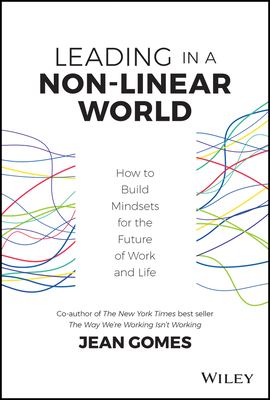
    Leading in a Non-Linear World: Building Wellbeing, Strategic and Innovation Mindsets for the Future

    Traditional linear leadership models are increasingly ineffective. Jean Gomes’s book Leading in a Non-Linear World provides a comprehensive guide to understanding and adopting new mindsets necessary for thriving in our complex environment.

    Embracing Complexity and Uncertainty

    Making Sense of the World

    Leaders must question their assumptions and seek new perspectives in an era characterized by volatility, uncertainty, complexity, and ambiguity (VUCA). Gomes emphasizes the importance of challenging our sense of certainty and embracing the non-linear nature of today’s challenges. This mindset shift is crucial for leaders to adapt and thrive.

    A Decade-Long Journey

    Gomes has been exploring how our brains and bodies interpret the world for over a decade. His research delves into the interplay between physical sensations, emotions, and cognitive processes, highlighting the need for a holistic approach to leadership.

    The New Science of Mindset and Self-Awareness

    Understanding Mindsets

    Mindsets are more than just attitudes and beliefs; they are the fundamental ways we make sense of the world. Gomes defines mindsets as the interplay between physical and emotional states, assumptions, and perceptual frames.

    Physical Self-Awareness

    Gomes underscores the importance of physical self-awareness, known as interoception. This involves tuning into bodily signals, which provide valuable information about our internal state and the external environment. Leaders can enhance their decision-making and emotional regulation by practicing techniques like body scans.

    Emotional Granularity

    Expanding our emotional vocabulary is another critical aspect. Most people use a limited set of words to describe their emotions. Leaders can better understand and articulate their feelings by developing greater emotional granularity, leading to improved self-awareness and interpersonal effectiveness.

    Building Mindsets for the Future of Work and Life

    A More Human Mindset

    Gomes advocates for a more human mindset, emphasizing radical self-awareness and well-being. This mindset fosters a deeper connection with our physical and emotional states, enabling healthier behaviors and improved decision-making.

    The Future Now Mindset

    Leaders often struggle to balance short-term performance with long-term value creation. The future now mindset encourages leaders to think strategically about the future while delivering immediate results. This involves recognizing the interconnected nature of various time horizons and aligning efforts accordingly.

    The Experimental Mindset

    Innovation and adaptability are crucial in a non-linear world. The experimental mindset, rooted in a test-and-learn approach, allows organizations to innovate rapidly and effectively. Gomes highlights the importance of creating environments that support continuous experimentation and learning.

    The Open Mindset

    An open mindset values diversity, inclusivity, and collaboration. It involves seeing the potential in others and fostering an organizational culture that embraces change and continuous improvement. This mindset is essential for building flexible and adaptive teams.

    Practical Applications and Conclusion

    Deferred Judgment

    One practical technique Gomes discusses is deferred judgment. In high-stress situations, taking a moment to calm the body’s physiological responses before reacting can prevent defensive or aggressive behaviors. This practice allows for more thoughtful and constructive responses.

    Collective Mindsets

    Building collective mindsets involves fostering a shared understanding and emotional connection within teams. This approach enhances collaboration and helps teams navigate complex challenges more effectively.

    Continuous Learning and Adaptation

    Ultimately, “Leading in a Non-Linear World” calls for embracing continuous learning and adaptation. By developing new mindsets, leaders can navigate the complexities of the modern world with greater agility and resilience.

    Jean Gomes’ insights offer a robust framework for modern leadership. By understanding and embracing these principles, leaders can create resilient organizations that thrive amidst uncertainty and change. As we face unprecedented challenges, the ability to lead non-linearly will be a critical differentiator for success.

  • Playing to Win

    Playing to Win


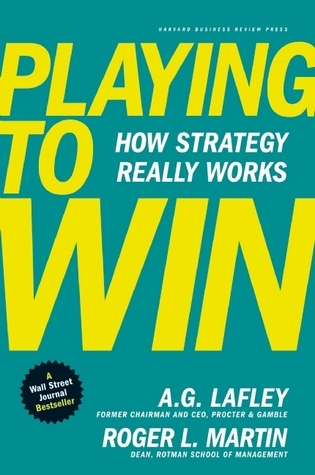
    In exploring leadership and organizational strategies, I’ve often navigated the delicate balance of language and its impact on team dynamics and individual mindset. The concept of ‘winning’ can be a double-edged sword—while it inspires some, it might instigate fear or paralysis in others who dread the prospect of losing. This aversion to a win/lose dichotomy has led me to seek a more nuanced approach in my work and teachings. However, in the realm of strategic thinking, A.G. Lafley and Roger L. Martin’s “Playing to Win: How Strategy Really Works” employs the ‘winning’ terminology in a manner that is both effective and enlightening.

    “Playing to Win” delves into the essence of strategy, stripping it down to its most fundamental questions. Drawing from their remarkable turnaround of Procter & Gamble (P&G), the authors present a compelling narrative that strategy, at its core, is about choice—specifically, where to play and where not to play. This perspective is crucial; it emphasizes the strategic decisions about markets, segments, and categories essential for any organization’s success. Lafley, the celebrated CEO of P&G, and Martin, his close advisor and strategic thought partner, showcase through their partnership how leadership at the top, complemented by strategic advisement, can harmonize to make those pivotal decisions.

    Their framework pivots around five essential questions that guide strategic thought and action:

    1. What is our winning aspiration? This question centers on the organization’s purpose and the ultimate goal of its strategy. It’s about defining what ‘winning’ looks like for the company.
    2. Where will we play? This involves choosing the markets, customer segments, channels, or product categories in which the company will compete. It’s about focusing efforts where the company can achieve a competitive advantage.
    3. How will we win? This question requires determining the unique value proposition and the set of activities that will deliver this value better than competitors. It’s about identifying the company’s unique approach to serving its chosen markets.
    4. What capabilities must we have in place to win? This addresses the internal strengths and abilities the company needs to develop or maintain to support its strategy. It’s about aligning resources and capabilities with the strategy.
    5. What management systems are required to support our choices? This final question focuses on the structures, processes, and measures needed to ensure the organization can effectively implement its strategy and achieve its goals.

    Their approach to ‘where to play’ and ‘how to win.’ It’s a refreshing take that moves beyond the binary of winning and losing, focusing instead on strategic choices and execution. This methodology provides a blueprint for making informed decisions that align with an organization’s overarching goals and values.

    The synergy between Lafley and Martin exemplifies the profound impact of a collaborative leadership model. Their partnership at P&G—combining Lafley’s executive leadership with Martin’s strategic insight—serves as a powerful example of how high-level leaders and their advisors can work together to steer an organization towards its strategic objectives.

    In “Playing to Win,” the win/lose dichotomy is recontextualized as a framework for thoughtful, strategic decision-making. It’s a testament to the nuanced approach needed in leadership and strategy, one that I find both valuable and aligned with the ethos of seeking deeper understanding and effectiveness in organizational dynamics.

    With its focus on strategic clarity and actionable insights, this book offers valuable lessons for leaders looking to navigate the complexities of the business world. It reminds us that the essence of strategy is not the pursuit of winning for its own sake but making deliberate choices that propel an organization forward.

  • Leadership: A Contested Term

    Leadership: A Contested Term

    Leadership is a contested term.

    The Merriam Webster defines it as:

    • the office or position of a leader,
    • the capacity to lead,
    • the act of leading,
    • the leaders.

    Leadership is about influencing others towards achieving common goals. Understanding leadership is akin to exploring a vast and diverse landscape, where each theory and style offers unique insights into how we can inspire, guide, and evolve with our teams.

    The Multifaceted Nature of Leadership

    The concept of leadership has been dissected and redefined through various lenses. Leadership styles range from autocratic, where decisions are made singularly at the top, to democratic, which involves team input and consensus. Then there’s transformational leadership, which seeks to inspire and motivate, creating significant change in individuals and the organization’s culture.

    Emerging Leadership: A New Paradigm

    As our understanding of leadership continues to evolve, a new paradigm has emerged: Emerging Leadership. This concept challenges the traditional hierarchy and fixed roles, advocating for a dynamic, adaptable approach to leading. Emerging leadership is not confined to designated leadership positions but is an attribute that can manifest across all levels of an organization.

    This form of leadership emphasizes emotional intelligence, adaptability, and the capacity to foster innovation and collaboration. It’s about creating an environment where leadership is a shared journey, encouraging individuals to step forward and lead in moments that call for their unique skills and perspectives.

    The Benefits of Emerging Leadership

    Emerging Leadership offers numerous benefits to organizations, including enhanced agility, a more engaged workforce, and the capacity to innovate continuously. By recognizing that leadership can come from anywhere within the organization, we unlock a powerful source of energy, ideas, and motivation. It leads to a more resilient organization capable of adapting to change and seizing opportunities in today’s fast-paced world.

    A Call to Embrace Emerging Leadership

    The call for Emerging Leadership has never been louder. It’s an invitation to rethink our approaches to leadership, recognize the potential in every team member, and build environments where innovation, collaboration, and adaptability are encouraged and embedded in our organizations’ very fabric.

    Through my upcoming book on Emerging Leadership, I aim to delve deeper into this transformative approach, offering insights and practical strategies for leaders and organizations ready to embrace this change. Leadership is not a static concept but a dynamic and evolving journey. By adopting the principles of Emerging Leadership, we can ensure that this journey is as impactful and fulfilling as possible.

    If you’re intrigued by the potential of Emerging Leadership and eager to explore how it can transform your approach to leadership, I invite you to subscribe to the newsletter. You’ll stay informed about the progress of my upcoming book on Emerging Leadership and learn how you can engage in the writing process. Your insights, experiences, and perspectives can enrich our collective understanding and application of these principles. Together, we can shape a future where leadership is more dynamic, inclusive, and impactful.

    Join the Newsletter

    Join us on this journey of leadership development. Subscribe to our newsletter today and start unlocking your leadership potential.

      We won’t send you spam. Unsubscribe at any time.
    • Revisiting ‘Good Strategy Bad Strategy’

      Revisiting ‘Good Strategy Bad Strategy’

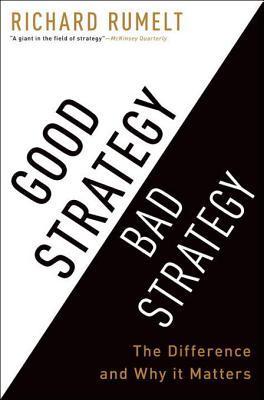
      In my latest reading journey, I revisited a cornerstone of strategic thinking, “Good Strategy Bad Strategy” by Richard Rumelt. This masterpiece, which I’ve always held in high regard for its insightful analysis and practical advice, struck a new chord with me, illuminating facets of strategy with even greater clarity. My return to Rumelt’s wisdom was serendipitously timed with Lenny Rachitsky‘s latest podcast episode, where he engages in a thought-provoking conversation with Rumelt himself, diving deep into what makes a strategy truly effective. I highly recommend listening to this enriching discussion, which is available here.

      The Essence of Good Strategy

      Rumelt’s delineation of a good strategy as a coherent blend of policies, actions, and resources uniquely designed to tackle fundamental challenges is more relevant today than ever. The “kernel” of a good strategy, composed of diagnosis, guiding policy, and coherent actions, is a robust framework for leaders at all levels. Reflecting on my experiences, I’ve not witnessed often the transformative power of a well-crafted strategy. It’s not merely about the resources at one’s disposal but how effectively they are aligned and mobilized to overcome obstacles and seize opportunities.

      The Pitfalls of Bad Strategy

      Rumelt’s identification of bad strategy through its hallmarks – fluff, failure to face the challenge, mistaking goals for strategy, and bad strategic objectives – offers a critical lens for evaluating our strategic approaches. As a leadership coach and organizational consultant, I’ve encountered these pitfalls and worked alongside teams to avoid them, emphasizing the importance of clarity, realism, and actionable objectives. Regrettably, I have experienced organizations stumbling into some, if not all, of these pitfalls firsthand.

      “Good Strategy Bad Strategy” remains a seminal work for anyone serious about understanding and applying strategic principles in today’s dynamic world. My recent rereading, coupled with the enlightening conversation between Rumelt and Lenny, has reinforced my conviction in the power of strategic thinking to shape successful, resilient organizations and leaders. As we navigate the complexities of leadership and organizational growth, let us lean on these insights to craft strategies that are not only effective but truly transformative.

    • Redefining Growth: Pearlside’s Vision Beyond Numbers

      Redefining Growth: Pearlside’s Vision Beyond Numbers

      To redefine leadership and organizational growth, looking beyond conventional metrics is essential. Recently, while discussing Pearlside‘s value proposition, I encountered a thought-provoking question regarding our milestones for growth at different scales – 50, 500, and 5,000 people. This moment of surprise sparked a deeper reflection on my true aspirations for growth and impact, leading me to share insights inspired by the renowned design firm Pentagram.

      A Vision Beyond Numbers

      Pentagram represents a collective of world-class designers, each a leader in their field, united by a desire for greater opportunities, learning, and impact. This model, far from focusing on arbitrary numerical milestones, emphasizes collaboration, innovation, and nurturing a network of excellence.

      At Pearlside, we are not chasing the numbers. We aim to assemble partners passionate about enhancing leadership and management skills across various levels and sectors. We envision a community where partners can thrive, learn from one another, and collectively contribute to a broader impact. Whether choosing to work independently, collaborate, or lead specialized offices worldwide, the essence of our growth is qualitative, not quantitative.

      Learning from the Best

      The Pentagram model teaches us the value of surrounding ourselves with top-tier talent. We elevate our collective expertise by fostering an environment where partners can exchange feedback and learn from each other. This approach aligns with the belief that you are the average of the company you keep, pushing each member of our network to strive for excellence and, in turn, amplify our collective impact.

      Flexible Paths to Impact

      Our vision of growth is flexible and adaptable, acknowledging that the path to impact varies for each partner. Some may prefer to work alone, others in collaboration within or outside Pearlside, and yet others might wish to establish specialized offices focusing on specific markets or regions. This flexibility ensures that our approach remains inclusive and broad-minded, catering to our community’s diverse needs and aspirations.

      An Invitation to Reflect

      I invite you to join this conversation, sharing your insights and experiences on redefining growth beyond the conventional metrics. Let’s explore together how we can shape the future of leadership and organizational development in a way that prioritizes meaningful impact over numbers. Please use the comments on the YouTube video or the LinkedIn post.

    • The Art of Thinking: 25 Insights into Human Misjudgment from Charlie Munger

      The Art of Thinking: 25 Insights into Human Misjudgment from Charlie Munger

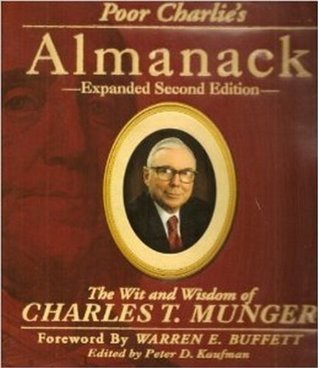
      In “Poor Charlie’s Almanack,” Charlie Munger analyzes the psychological factors that lead to poor decision-making. Known as the 25 standard causes of human misjudgment, these principles provide invaluable insights into why people think and act the way they do. As a leadership coach, understanding these causes can be transformative in guiding teams and individuals toward better decision-making.

      1. Reward and Punishment Super-Response Tendency

      People are strongly motivated by incentives. Understanding what drives an individual or a team can significantly impact leadership and management strategies.

      2. Liking/Loving Tendency

      We tend to favor decisions and actions that involve people or things we like. This bias can cloud our judgment in professional settings, especially when dealing with friends or favored colleagues.

      3. Disliking/Hating Tendency

      Conversely, we often irrationally dislike and avoid people or things we have negative emotions towards, which can lead to poor decision-making.

      4. Doubt-Avoidance Tendency

      Humans naturally dislike uncertainty and tend to make quick decisions to resolve doubt, sometimes at the cost of rationality.

      5. Inconsistency-Avoidance Tendency

      Once we’ve made up our minds, it’s hard for us to change our beliefs and actions, even in the face of conflicting evidence.

      6. Curiosity Tendency

      Our inherent curiosity drives us to explore and understand the unknown, which can be a powerful tool in learning and development.

      7. Kantian Fairness Tendency

      We are naturally inclined to act in ways that are perceived as fair by society’s standards, which can influence our decisions and behaviors.

      8. Envy/Jealousy Tendency

      Envy and jealousy are powerful emotions that can significantly influence our actions and decisions, often negatively.

      9. Reciprocation Tendency

      We feel obliged to return favors and kindnesses, which can be manipulated in various social and professional contexts.

      10. Influence-from-Mere-Association Tendency

      We are easily influenced by associations with past experiences or emotions, which can lead to biased decisions.

      11. Simple, Pain-Avoiding Psychological Denial

      Sometimes, we choose to deny reality when it’s too painful or uncomfortable to accept, affecting our judgment.

      12. Excessive Self-Regard Tendency

      We often overestimate our abilities and worth, which can lead to overconfidence in our decisions.

      13. Overoptimism Tendency

      A general tendency to be overly optimistic can skew our perception of reality and lead to unrealistic expectations.

      14. Deprival-Superreaction Tendency

      We react intensely to being deprived of something we already possess or believe we deserve, affecting decision-making, especially in negotiations or losses.

      15. Social-Proof Tendency

      We look to others for cues on thinking and acting, especially in uncertain situations, which can lead to herd behavior.

      16. Contrast-Misreaction Tendency

      Our perceptions are heavily influenced by contrasts rather than absolute scales, affecting how we evaluate options.

      17. Stress-Influence Tendency

      Under stress, rationality often takes a backseat, leading to impulsive and poor decisions.

      18. Availability-Misweighing Tendency

      We give undue weight to information that is readily available to us, regardless of its relevance or importance.

      19. Use-It-or-Lose-It Tendency

      Skills and knowledge must be regularly used and refreshed or deteriorate.

      20. Drug-Misinfluence Tendency

      Substance abuse can significantly impair judgment and decision-making.

      21. Senescence-Misinfluence Tendency

      Our mental faculties can decline as we age, affecting our decision-making capabilities.

      22. Authority-Misinfluence Tendency

      We tend to respect and follow authority figures, sometimes blindly.

      23. Twaddle Tendency

      Humans have a tendency to focus on irrelevant information or engage in meaningless chatter, distracting from important decisions.

      24. Reason-Respecting Tendency

      People are more likely to follow advice or instructions if they are given a reason, even if the reason is not particularly compelling.

      25. Lollapalooza Tendency

      Multiple biases acting together can compound and lead to extreme outcomes, for better or worse.

      Conclusion Understanding these 25 causes of human misjudgment can significantly enhance our effectiveness as a leader and decision-makers. By recognizing these biases in ourselves and others, we can make more informed, rational decisions and guide our teams toward greater success.

      Have a read at Talk eleven for more details: https://www.stripe.press/poor-charlies-almanack/talk-eleven

    • Cloud Infrastructure Leadership: What Changes When You Lead the Platform

      Cloud Infrastructure Leadership: What Changes When You Lead the Platform

      Cloud infrastructure has changed radically in 20 years. We moved from standing in line to request hardware to provisioning global resources in minutes. Yet the leadership challenges didn’t disappear. They evolved.

      In this episode of Le Podcast on Emerging Leadership, I’m joined by Michael Galloway, a platform and infrastructure leader with experience at Yahoo, Netflix, and HashiCorp. We explore the evolution of infrastructure, but also the human side of platform engineering: trust, ownership, change, and the realities of operating systems at scale.

      From “tin” to cloud: speed increased, responsibility didn’t vanish

      Michael shares an early Yahoo story that captures the shift: the era of physical requests, committees, and scarce resources. Virtualization and cloud unlocked a new world, but they didn’t erase complexity. They moved it.

      The question is no longer “How do we get machines?”
      It becomes: “How do we design defaults, behaviors, and systems that make operations reliable?”

      “Don’t just use the interface”

      A key theme in our conversation is what happens when abstraction goes too far.

      Michael learned early in his career that using an interface without understanding what sits underneath limits your ability to solve real problems. The same applies to internal platforms and infrastructure products: if teams can’t see what’s under the hood, they can’t operate their services confidently in production.

      This matters for DevOps and full-cycle ownership. If the platform hides everything, it also centralizes responsibility again. And that’s exactly the anti-pattern many organizations are trying to escape.

      Setting the right defaults (instead of hiding complexity)

      Michael makes a distinction I find extremely useful:

      • Abstractions can help with the zero-to-one problem (get a service running fast).
      • But sustainable systems require teams to drill down, understand decisions, and troubleshoot effectively.

      His closing line on this topic is simple and sharp:
      Predictability is more valuable than velocity.

      A crisis story: ownership, outcomes, and early wins

      Shortly after joining HashiCorp, Michael faced a real incident: a workflow engine falling behind at scale, with work piling up and trust already eroded. The technical work mattered, but what stood out was the leadership sequence:

      1. Take ownership publicly
        People need to hear: “We own this, and we will fix it.”
      2. Form a durable team around the problem
        Not a temporary war room. A team with a mandate.
      3. Define outcomes that matter
        Not “deliver X,” but “stability,” “scalability,” and “confidence.”
      4. Deliver early wins
        Not a 24-month plan. Evidence now, then progress each week.

      That combination rebuilt credibility and made it possible to redesign the system properly.

      Change at scale: the lesson of urgency

      We also discuss a platform adoption challenge from Michael’s Netflix experience, and what he learned about change management: good ideas don’t spread by themselves.

      Two levers made a huge difference in later roles:

      • A real deadline (a cliff, not a wish)
      • Executive alignment to keep that deadline real

      Michael’s practical insight:
      A target like nine months is close enough to feel real, far enough that teams don’t immediately say no.

      Advice for emerging leaders

      Michael closes with three themes that translate well beyond infrastructure:

      • Understand your stakeholders deeply (including what isn’t said)
      • Deliver a meaningful win in the first 90 days to earn credibility
      • Define the purpose of your team so priorities become easier and autonomy grows

      Here are a few links:

      Here is the transcript:

      Alexis: [00:00:00] Welcome to Le Podcast on Emerging Leadership. I’m your host, Alexis Monville. In this episode, we are excited to welcome Michael Galloway, a visionary leader in the tech industry with over two decades of experience. Currently shaping the future of cloud infrastructure at HashiCorp, Michael brings a wealth of knowledge from his dynamic roles at companies like Yahoo and Netflix.

      Today, he shares his journey, insights on platform engineering and the evolving landscape of technology leadership.

      Welcome to the podcast on Emerging Leadership. Michael, how do you typically introduce yourself to someone you just met?

      Michael: Yes. Thank you for inviting me. Alexis. The way I think I typically introduce myself is I live in California. I’ve been working in the tech industry for about 20 years. Father of two rambunctious girls and husband to a wife of [00:01:00] almost 20 years now.

      Alexis: Wow. Wow, wow. I would love to unpack all those things, but maybe we’ll time for, for some of it. Let’s look at your, your journey in the tech industry. A fascinating journey. I’ve heard about your experiences both at Netflix and now at Hashicorp. Could you give us a, a snapshot of your trajectory and what drew you to that field of cloud infrastructure?

      Michael: Sure. Well, like I mentioned, I’ve been in the industry for more than 20 years. I was actually part of the early two thousands crew at Yahoo. Just before the Google IPO. So that was an interesting experience to start off my career. yeah, that was you know, everything, everything was possible.

      And some of the most brilliant minds that I have the opportunity to work with many years later in my career started there. In fact, my current boss at HashiCorp was also part of that crew back at Yahoo and And and, you know, it’s, [00:02:00] it’s, the Valley is ultimately very small from Yahoo. I went through a number of different ranges of companies.

      So I actually did a startup in the enterprise software space, which I was fortunate to sell. I would say it’s more of an Acqui-hire but it was a great experience to go through what is a startup life like in Silicon Valley. Eventually, I landed in Netflix around 2016. And moved into the platform engineering organization. From there I led a bunch of teams in Delivery Engineering. I think the most famous part of Netflix that people may know of is the Spinnaker product that was developed for the most part between Netflix and Google. And that’s what we evolved and, and worked on. After that, that was really where I fell in love with platform engineering as, as a concept.

      The whole concept of full cycle development and DevOps as we were pioneering it at Netflix was just fascinating and working with some of the greatest minds I I’ve had the opportunity to work in that space. I eventually moved to leading platform organizations [00:03:00] at mid-tier companies, and now I’m over at HashiCorp. Running the infrastructure part of the organization personally. you asked about infrastructure. Infrastructure specifically is a fascinating and evolving space. You know, I actually have experience going in front of David Filo, one of the founders of Yahoo, and making physical hardware requests.

      I remember standing in line a little anecdote there as I I was we all queued up at, at, at, at these hardware request committee meetings. And David Filo is one of several members. And I was right behind this gentleman. I had just started my job. Maybe I was a month, two months in. And the, the person in front of me was from Yahoo Photos, and he goes up to David Filo and he’s making requests for several multimillion dollar filer machines that we needed for the Yahoo Photos footprint. And they discussed and, and, you know, okay, we will ultimately approve. And then my number’s called, and I, I get up and. I said, I’m, I’m looking for $300 to buy a hard drive for one of our [00:04:00] machines. And Yeah. Philo had this look on his face of like, yeah, maybe this, maybe we can do, do some efficiency improvements for this meeting.

      Might not be the best use of everybody’s time. And I say, I, I really appreciated that he saw it that way. But you know, the, so I was, you know, I think a lot of us have experience with the actual tin, but now, but with the introduction of virtualization that really came out many years later, unlocked, you know, all kinds of, of capabilities like you know, immutable deployment patterns and, and real ephemeral infrastructure started to become a thing. And, and finally I think. So, so what we’re seeing is, is the outcome of those innovations and the, and the, this idea that you can allocate virtual global infrastructure in minutes. But I truly think that that’s actually just the beginning of where, where we’re headed as an industry. So it’s an exciting space to be.

      Alexis: Oh, whoa, whoa. Wait, that’s, that’s very [00:05:00] interesting because yeah, with, the introduction of virtualization, basically a lot of people thought, oh yeah, that you, you don’t need to care really about cloud infrastructure anymore, and.

      Michael: Right,

      Alexis: Anyway, everything will be fine with, that’s just infrastructure as code and, and let’s, let’s do everything.

      But that’s not really what happened. Even if we I don’t remember DevOps. It’s what, 2009? Something like that. We are still not there yet. Completely. In your, in your, during your talk at Plato Elevate you mentioned that. Cloud Infra was not about hiding complexities, but setting the right defaults.

      I would like to you to discuss that a little bit more, because that will maybe tell us what, what is coming, what, what the future looks like.

      Michael: Yeah. This is a very fascinating conversation. It’s, it’s something that we can quickly get into Modern applications and lose a sense of principles. So I [00:06:00] like to come at this more from a principles first approach than, than just you know, the common conversation that I hear in many platform organizations or many companies is, how do we become, should we present a Heroku environment? And I think that that’s missing some grounding. you’re talking about how to use it. As opposed to the philosophies of behavior that you want to encourage or support in an organization. So like everything else in software development, the answer is maybe The answer is nuanced, right? But let’s start with the an early, I’ll give you an early story that, that really grounded my thinking on this. It goes back to my Yahoo days actually. So I was a software engineer there and I worked on the Confabulator product. It was a Desktop Widgets product that worked on both Mac and Windows. Actually, the modern Apple widgets experience on the iPhones, as well as Netflix’s tv or Netflix’s video capabilities on tv. And, and all the modern TV [00:07:00] widgets all are actually born from some of the actual same humans that worked on Confabulator. I, I actually worked with some of those guys.

      One of ’em I actually hired into to Yahoo. So just a little short history there. So all things are connected, but I was working on this and I was around much smarter minds than mine. And one of the lead engineers in the group emphasized to me, he said, don’t just use the interfaces to these libraries that, that are, you know, available to us from the, the, the TVs or from the, the OSS systems that we’re trying to operate on.

      Don’t just use the interfaces. You said you need to understand What they do underneath, you need to understand those in order for you to be able to solve the real problems, the hard problems. And he was right. How often we end up grabbing a library and just using it without thought of how is it actually performing these actions.

      And when you do that, and we’ve seen this in software development all the time, where you have higher and higher level frameworks, and [00:08:00] the understanding of the magic underneath is ultimately .Limited to the few that actually care to try to introspect, and some of those frameworks actually actively try to encapsulate and block the ability for you to really understand what’s under the covers. Why does that matter? Is because if it fails to do the thing I need it to do, if my application calls into an interface and for whatever reason that interface has an unexpected side effect, I now have no ability other than to just abandon that interface. To solve that problem. And that becomes really a, a limiting factor. So if you take it from that perspective and you, you, you view software platforms and you view infrastructure platforms or platform engineering platforms, they’re all the same concept, right? They’re encapsulation their abstraction. There’s the same software principles. You start to get to the point where you realize, where do you want to put The responsibility for resolving and solving problems. In a true [00:09:00] DevOps world, you ideally want to enable application teams to ultimately have the ability to understand and operate their products in production. And if you don’t, don’t enable them to be able to see below the details for how something is being done. They have no ability to perform that task. They have to rely on a central team to do it. just like if I am, if I am the provider of a framework, but they can never see into the code of that framework. If that framework fails to do the thing they need to do, they’re going to abandon it or do something different, which will create heterogeneity in the environment and more complexity. So when I think about the right experience, what I look at is Not about hiding the complexity per se. I think you can follow abstraction or present a an interface facade if you want to simplify the zero to one problem that most of the time, this is what they’re talking about. I just wanna get my application out.

      I just wanna get a database. I that’s a zero [00:10:00] to one problem. Provide a simple facade. That’s where the abstraction actually can have value, but. It should be an abstraction that you can drill further down if you want to. You can go further and you can see what actually was done. How did how does this machine perform the actual instantiation of that database? What is the instance size? If it was, say, Amazon, of that database that was set up, I should be able to introspect these things because those can lead to me understanding why a failure occurred. In my production system or how better to architect. A good example of this is a situation that we just recently encountered you know in, in my current universe at HashiCorp, where one of our products has a stateful, it wants to perform in a very stateful way. Well, it is a stateful application. And stateful is a particularly tricky monster to, to from an infrastructure standpoint, right? We really, [00:11:00] very much on the infrastructure side, wanna see the world as I. As, as cattle they say not pets, right? That’s a common euphemism. And and so the idea that I can truly lose or blow away my infrastructure if I needed to and that the resiliency is actually supported both at the application tier as well as other parts of the infrastructure to support the idea that any virtual thing can fail. And the truth is, is that whether anybody likes to think of it or not, I have a lot of experience with yeah. Virtual things fail because physical things fail. So you very much need to have that. If you a stateful application doesn’t like to operate that way. It likes to believe that, that there is a permanence with the thing that it’s in. This is a really tricky problem with infrastructure systems to date. If we have a full abstraction of what is actually happening on the infrastructure tier, especially when we need to version the infrastructure underneath the covers, it can, [00:12:00] it can be a real problem for that, that application team, because they don’t understand why systems are periodically being disconnected or broken or having any predictability around it. So as a result of that, they have to offload all of the operation problems and all of the ops that are specific to their application universe, to the central and infrastructure, the central infrastructure team. And that is the anti-pattern that we all wanna avoid, that the whole point of DevOps was to move out of a central team operating applications in production as much as possible. So that was a long-winded answer. The short nugget here I would say is predictability is more valuable than velocity.

      Alexis: Mm. Yeah. , I guess that that summary helps really to to understand the, the whole thing. Could you tell us about a particular challenge you, you facedworking on that realm of cloud of platform at Corp and how you approached it.[00:13:00] 

      Michael: Yeah I’ll give you a different challenge ’cause life’s full of those. When I joined Hashi Corp let’s see, I joined December of 2022, so December last year. So I’m almost at my one year anniversary actually. About a month and a half in, I would say, so sometime in January all these alarms started going off. It was not my fault. I had just started. That’s okay. I don’t mind if it is. But it was not alarms are going off all these, you know, 3:00 AM things blown up. And so the issue was a big portion of our System relies on a workflow. It, it’s basically, it’s a workflow engine that, that a lot of our use cases require to be operating effectively.

      It’s a, it’s a, the engine’s cadence, it’s used, it’s pioneered by Uber. And temporal is, is maybe a more well known modern name is a, is a Next iteration of that workflow engine. Anyway, [00:14:00] so this thing started to blow up, and the reason it started to blow up was that it was backed by a, a single, very hard, a large database instance. And that database instance was struggling to, to keep up with. An unanticipated load. And this was not necessarily a new issue. In fact, cadence had rather this, this, nothing to say about the cadence Service is perfectly fine workflow engine, but the design was just not well des it was not well designed to be very scalable. And so as a result over the last several years, people had kind of wanted to avoid This system ’cause it was known to be problematic and it had burned people out trying to support it. So, but it had finally tipped over and, and by tipped over, I meant it actually stopped keeping up with the abil, all of the workflows coming in.

      So it started building a history list. I think something on the order of maybe a million. Runs behind and it was continuing to fall behind. Yeah. So, you know, when you see that it’s, [00:15:00] it’s a downward spiral, right? It’s, it, it, and so we brought in AWS people and we performed a quick crew. I. To, to set up basically like a war room situation, to try to triage and stop the internal bleeding.

      And so what’s the first thing you do? You say, okay, well let’s, let’s, if we can’t horizontally scale because we hadn’t sharded this system, let’s scale up. Right? And whenever I hear scale up, I think all of us, and especially in the infrastructure space, kind of cringe ’cause you know, there is a finite limit to scaling up and scaling up. Doesn’t actually solve the underlying problem. Ultimately it just delays the problem. yoU know so we did, there’s, again, our first focus was stop the bleeding. We scale up. It, it helped. Still some things were, were not quite as stable as we wanted. anD this is where I think the more interesting part of the story it comes in because all these kinds of technical problems in my whole 20 year experience. I’ve very rarely been [00:16:00] on what I would consider you know, a Mars landing kind of problem where you’re maybe doing something fairly novel and even that maybe isn’t as novel anymore because we’ve done it before. Uh, most problems are not, in other words, insurmountable technical problems, where there just is no answer. generally, I’ve found that 99% of problems that I’ve had to deal with are more about organizational problems. And, you know, you might even go to say leadership problems in the sense of how do you, how do you think about approaching this kind of crisis? What are the right things to do when a crisis like this happens? And so the steps we took first, the very first thing is recognize that. Upper leadership partners, customers who are relying on this thing all want somebody to say, I’m gonna raise my hand and say, I’ll take ownership of this problem. That’s the very first thing everybody needs. They need to hear you

      Alexis: Mm-Hmm.

      Michael: And so [00:17:00] we did. I I basically said, okay, we recognize this as a problem. I’m not gonna make up stories about this. It’s a problem and it needs to be resolved, so we’re gonna take ownership of it. And what we did was formed a permanent team around this. And that sent a very clear signal, we’re gonna own this problem.

      We’re going to move it to a, a place where you can trust it. anD that was actually a really important thing, not just for the ownership aspect, but there was real lack of trust in building these, these workflows by teams because of the instability history. And so, as a result, teams started to look for alternative approaches, and that would’ve led to a much more complicated universe to manage. So it was very important that they, they knew somebody was going to own solving it. Once we did that we defined some specific outcomes towards stability and scalability that we needed to be able to achieve. It needs to be horizontally scalable, not vertically. I think that was one of the most important things that we emphasized, that the thing we did today [00:18:00] to bandaid, this is not a solution. It’s, it’s a bandaid. What we need is not to try to put all our cargo on one ship. We need multiple ships. And, and so once some of the fundamental, and these are not complicated concepts, but they are complicated to execute on because having multiple ships means a whole lot of additional complexity and logistics up front for figuring out what goes on those ships and so on.

      I don’t know, I just suddenly jumped into a nautical analogy. But these, this is You know, establishing this is what we are, are, this is our success criteria, this is our strategy was critical to get out early. What are the outcomes, not the physical deliverables. The next thing we had to do deliver short-term wins. And by that I mean short term, what anybody ever cared about was stability in, in the short term, as well as enabling products to launch. So the products that we’re afraid to Right on this. We [00:19:00] immediately engaged them, prioritize, making sure that they were stable. They had the resources within the system to be reliable.

      And so we enabled those product launches. And then we pumped out every week what the reliability status was, what were there any issues and any updates or communication on progress towards those outcomes that we had. This was critical. Those two things were vital for us to establish credibility and for people to actually feel like the wind had changed and that this ship was actually going to turn that built.

      Confidence and trust gave us momentum. And, and as we continued to execute, this team has completely revamped the architecture, the system. They’ve migrated a bunch of the critical systems to starting to be able to Have better resource isolation, which are fundamental things in an infrastructure universe to be able to isolate workloads and manage resource consumption by each of those workloads. We didn’t have some of these fundamental abilities before. Now we’re in a state where we’re executing on the we’ve moved away from RDS and we’re bringing in. A scalable [00:20:00] backend, which is, you know, a, a Cassandra backend, which will allow us to horizontally scale. So we’re in a much different space, to the point where a leader about a week ago said to me ” not only do I no longer worry about cadence, I, I’ve basically entirely forgotten that it was ever a problem”. wHich is great except that I said just make sure that we don’t think we can remove people from this team right now. I’m glad you are confident.

      Alexis: Yeah, exactly. But yeah, I, I believe that’s, that’s very interesting. The what, what you offer as a solution. If I put aside the technical solution I, we could apply that to basically a lot of different problems that we have. Having a team that is able to say, okay, we are owners of that thing. And now we own that problem and we will solve it.

      Being really clear about what are the outcomes, where we are today, how we measure those ourselves compared to those outcomes. That’s very, very critical. And and [00:21:00] knowing that you will not win the trust of people by announcing 24 months plan. You will win the trust of people because you are delivering something now.

      yes.

      Michael: yes. 

      Alexis: Getting into that mindset is critical also. So I, I love what you’re saying about all that. Have I missed anything in what you, what you propose?

      Michael: No, I think you sum some, summarized it exceptionally well. I will say generally this you are, I fully agree with you. This is not a unique situation. This is a pattern and a strategy for approaching a, what is, what comes up fairly often in every job I’ve taken, there is always a crisis and I’m going to misquote the person.

      But it’s what I think the famous saying is, never let a good crisis go to waste.

      Alexis: Yeah.

      Michael: these are hugely valuable opportunities to actually have a tangible impact on the business.[00:22:00] anD you know where others may be afraid to tread. These are the opportunities that really enable you to shine as a leader.

      Alexis: I, I really like that. Are there other pivotal moments in your career when, when you, you really learn something significant about change and leadershIp? 

      Michael: Oh my gosh, yes. Well first, if anything I’m saying here sounds at all polish, please understand it comes from the many battle scars that I have over my history of, of making mistakes and reading and learning from, from the wisdom of others, and then having the opportunity again to apply them. But yes, let me answer your question more directly.

      So at Netflix .We and delivery engineering embarked on this initiative called Managed Delivery. It was a very ambitious project that is still very near and dear to my heart. It’s it’s, it’s fundamentally what it is, is delivery in [00:23:00] Spinnaker is done using pipeline, basically articulating pipelines. And what we found from From the way that we were operating where every team was defining their own pipelines. In Spinaker, I think we had about 16,000 pipelines at that time. We across about 4,000 applications, about 400 teams was about the size we were at. Platform Engineering has some challenges. One of the specific challenges was as we, we were still very VM based as we would release new base OS AMI s. That might include security improvements, patches, other things that needed to be there. We had an adoption rate of it took on the order of months to years for certain patches or updates to be rolled out. That was really problematic for us because you can imagine that there is, sure. I mean, if you did a security sev one incident, they could broadcast across the company and people might take action, but that’s a pretty disruptive thing to do. [00:24:00] What you want is, is a design that helps enable the, the bottom tier to be as evergreen as possible.

      Right. But we had a, we had a problem. All the teams owning their own pipelines Spinnaker had no intelligence about those pipelines. It, it just knew, run this, it, it was a workflow engine in many ways. Right. Run this step if that step Gives me a green light. Go to this next step, go to this next step, and, and maybe some conditional logic, but what do those steps represent? And, and what is the confidence after you know, step two as to whether this, this new update is safe to roll out? All of that was opaque to the engineering system. So what we needed was a way that we could evolve our infrastructure and we could evolve our amis, we could evolve our strategies under the covers. anD do so without having to get all the teams involved. So that was one of the motivations. Another motivation was we thought it would make it easier for [00:25:00] teams to also not need to articulate or come up with strategies in their pipelines for safe delivery, right? We teams would deliver applications to multiple regions. What’s the right sequence of steps that would enable you to catch a problem and roll back the change? If, if a failure happened in, say, the second region you rolled out to, which is a very complicated problem, right? First region successful, second region fails, most of the time pipelines would just die. And now you have this very confusing universe where you have different versions of your shafter running and, and problems

      can surface. So we thought, Hey, let’s take that problem away from teams two. Let’s create a declarative form of delivery that basically enables people to define the Criteria for success that would enable promotion from one lower environment to higher environments.

      That was essentially the goal of managed delivery, was move them towards the description of what needed to happen as opposed to defining how it should happen. [00:26:00] Very ambitious on the size that I was mentioning, especially because Netflix culture very much operated with a freedom and responsibility concept, and so that meant that teams were never Really obligated to use a service or a new system. So imagine operating in an environment where you have lots of very smart and talented people from all around the world that are working on their problems, their projects, and you ask them, you, you need to engage them on something that they honestly would prefer to not really have to think about.

      Right? I don’t con like, it, it, the water company doesn’t reach out to me to talk about Repiping .You know, pipes to my house. Like I have no interest in that conversation. If you need to do it, sure.

      Go ahead. Right. It, it’s the same way in delivery, engineering and reaching out to these teams. I don’t know it, my software always continues to deliver.

      It’s fine. Why do I need to care about this? thIs is a very common problem in [00:27:00] platform engineering, but also come from for library producers, API producers, anybody that’s producing something that others are consuming

       you almost always have more interest in in making that happen. Than they do especially when you, the value proposition may be more on one side and the other.

      And that was the key mistake I made. At that time you know, we very much wanted to take the approach of, if we built something really valuable and very interesting for folks they would adopt it. And I think there was merit to that. And so we spent a lot of time thinking about, you know, the early adopters.

      We got some early successes. We got some people to enjoy it. But then we hit that classic crossing the chasm problem where we couldn’t get past the early innovators to the early adopters. And we struggled on that. What was it, was it some combination of features? Was it some combination of capabilities, something that this could do that other things couldn’t? What, what I miscalculated personally was the actual value to the business was the platform engineering side of the, the, the [00:28:00] equation platform engineering needed to see this adopted. Across the fleet for there to be real value. And so given that the strategy may not necessarily be one of slow adoption, but rather it may be more important to take a little bit stronger of, of a, of a, of an approach. And John Kotter talks about this in, in leading he has an article in HBR called Leading Change, but he has a book called, why Transformations Fail. And I will say I read that book during that time and I failed in probably at least the top three even after I read it. So it’s, I will tell you, there is a very, I, I learned how big the gap is between knowledge and wisdom. And, and, and that that gap being how wide experience needs that gap, that that which is experience is that gap, right? And how much of that you actually need. Long story short [00:29:00] you know, managed deliveries, value proposition. Very much is alive, it is moving forward. But that was an experience where I realized because our adoption was very slow, you could imagine that we did not take as an aggressive of an approach, specifically by aggressive, I mean, we didn’t establish a sense of urgency. So teams were necessarily complacent in the adoption. And it’s not no fault to them, that’s the way the culture was designed to operate. But as a result it’s getting adoption, getting that change to actually happen. It was much harder. Now I know that they are doing amazing stuff now over there in terms of, of growing it.

      They, we’ve learned a lot of those lessons and the impact of that approach is really being felt. In fact, years later, I landed at HashiCorp. My peer came from Samsung. Smart Things. He recognized me and said, oh you know, managed delivery. And they apparently larger footprint than Netflix much higher traffic than Netflix.

      All the iot devices right, call into their[00:30:00] and they. Overnight, basically. Maybe it’s not quite overnight, but they, they they fully adopted it and saw some of the benefits of that adoption as a result. And, and and so it was, it was a cathartic to hear or comforting rather to hear. But yes, it was a, it was a good experience in the challenges of change.

      Alexis: Yeah, it’s, it’s very interesting that we are coming, going, going back to that idea of a team owns a problem and now tries to solve it. Unfortunately it’s really a problem for the business, but it’s not necessarily a problem for the other teams. thAt are consuming something from that team. And now how do you create a sense of urgency for the other team when they are not even aware that it’s really a problem for the business and you cannot count on that for them to investigate that part.

      So maybe that it’s other nudge.

      Michael: Well, and I have a, a story about creating the urgency because I, [00:31:00] that’s what one of the things I learned, there’s actually two pieces to that that I learned. And I applied at the next job, actually after I left Hashi after, sorry, after I left Netflix. It was a mid-tier company. We were on a, a, all the entire fleet was on a, a Heroku actually.

      We were hitting problems with that platform. Going back to the ability to introspect and understand how things work, Heroku was too abstract, too high level for us to be able to operate it effectively for the things that we wanted to be able to do. You know, it got us the zero to one, but that, that hard abstraction. mAde a a, it made it impossible for us to get past that one. loNg story short, though, we needed to migrate, we decided the business decided we needed to migrate off. But even with that, we wanna migrate off like all things that happen in a business, they are good goals. They’re, they’re set, like you said, the 24 month goal.

      Oh yes, we should be But how important is that? How urgent is that? I. [00:32:00] This is from my experience with managed delivery, this is what I, I learned. Okay, so two things. One you need a sense of urgency. So how do we create that urgency? You need to get a date set and that date needs to have consequences. So we talked specifically about setting a nine month target from the point that I had started that job and, and the reason for nine months is nine months. Feels close enough that it will happen, but far enough away that virtually no engineering team says no. Right? And, and and I mean this very much affectionately, we all believe that the world is possible in nine months, not three months, but nine months.

      Yes. Nine months. I for sure we’ll have time. So we we got alignment that in nine months we would, we would hit this target. We made sure that the other aspect of this was we were going to shut off Heroku. We were going to actually disable and tear up the contract. And so that was the, the cliff date. [00:33:00] That’s great to have that date. And there’s a lot to unpack on the importance of setting dates, but the other bit that was vital was we needed to get executive, Alignment with that, that needed to be something that the executives would back. And by that I mean you know, the term leadership or executives is, is nebulous just someone in a position of authority at, at the right level that can basically say once you get to that three months away from landing this. That this is a date that will not move. And we, we were able to get that. And those two things ensured that this, that project very ambitious. We moved the entire fleet out and over to Azure, and we had zero service disruption. It was a, it was a remarkable feat. The, the team did an amazing job, but I truly believe having both of those factors Enabled us to do that Herculean task because the last three, three months you can imagine were brutal, stressful[00:34:00] you know we we bought lots of DoorDash for people to, to and, and, you know, and supported them as they were executing on all of this stuff. But once we landed that the entire crew, Could look back and they did and said this was an amazing thing we were able to accomplish, and there was real pride with being able to do it. So very good lessons learned.

      Alexis: I love it. I love it. And once again, that’s, that’s really interesting to, to unpack the learnings about that. Yeah. You need a date and when, when people hear that. They can hear that, yeah, that’s a date, but maybe we can be late and no, that’s really a cliff that’s, there’s nothing behind. And and you need that support, that alignment.

      So nobody will dare to change the date. There’s no option around that. And that’s absolutely clear for everybody. So now they can make plans. They have the time. Nine months is, is is a good one. We were thinking, yeah, it’s feasible. And, and, and I, and then, you know, thing about it, I, I realized that when you [00:35:00] were saying it, that if you would’ve said three months, I would’ve say, oh, no.

      That I would’ve started to think why it was not possible. But nine months I was comfortable to say, yeah, okay. And I know nothing about the challenge, the reality of the challenge. funny. So yeah, you can start making plans. That’s a, that’s a, that’s a.

      Michael: That’s right.

      Alexis: What, what would be your advice to emerging leaders or who want to make a meaningful impact?

      Michael: The first thing I would say is you need to understand your stakeholders. I have learned the enormous value in getting, developing those relationships and deeply understanding who your customers are who your peers are. Who and what leadership is expecting of your organization? A lot of people, I think, focus, especially emerging leaders, they focus on their team and down. I have a lot of experience in [00:36:00] doing that and failing beautifully because I misunderstood what was expected, what was not spoken, but expected by my peers and by upper leadership. And so you really need to understand not just the the surface statements of here’s our goals, here’s our outcomes. What you want to ask is what keeps you up at night You want to ask where things have failed in the past. You want to hear the, the, the reactions. More than you want to hear the thoughtful process of, of desires, right? It’s those emotional reactions, those small perceptions of your team and of what is expected of, of your organization that actually will influence whether or will, will influence whether or not you are. Well, it’ll affect whether or not you are successful because those are the micro perceptions that actually determine whether they are are, they’re going to think of your team as a team to rely upon for those next strategic steps that they want [00:37:00] to take. Right. So understand them very well, and that takes a lot of time, and there’s great books on this. But this is where it truly is around a psych the, the psychological approach far more than it is that technical execution or delivery. The next one is you need to deliver wins within the first 90 days of starting a new job. And there is a great book, first 90 Days. I think it’s a fantastic book on this topic. I Have, I’ve applied it and successfully a few times now. It very much is correct. Get that, get that win. You have to have credibility when you go into a room. You have to be able to be believed when you say we should do X or Y. Otherwise, you’re gonna stay in the tactical level always because you haven’t established that you can actually solve bigger problems. The key thing with getting that credibility in the first 90 days is you don’t need a big win. You just need something meaningful, something that addresses a concern. Peers of mine had actually mentioned this to me years before too. Don’t [00:38:00] try to run after. The biggest thing you can run after, especially when you first start, start with something. yoU, you, you can own and influence, so it’s something within your control. Don’t do something that’s gonna require a bunch of other folks to be aligned, especially when you first start. It’s challenging to do that, so it should be something for the most part, you can control. I. Second part, it’s gotta be something that matters to other people.

      It doesn’t really matter what it is. It doesn’t have to be a technical solution. It could be an organizational solution. It could be an information solution. It could be a communication solution. It could be any of these things, but it needs to be something that actually addresses a, a, a fear or concern. A great example of this is just starting a monthly newsletter for your organization and ensuring the rest of the business understands even what your team does or your group does. That’s surprisingly a big problem in many places is just the awareness factor, and doing that suddenly puts you on the radar of a lot of people, and it can really, it can really move things forward.

      That’s not a technical problem at all,

      Alexis: Yeah.

      Michael: but it is a problem and it can establish you. [00:39:00] The third thing that emerging leaders need to be taking a look at to have real meaningful impact, define The purpose for your team. And by that I mean you need to bring your team into that. But defining a purpose is one of the most fundamentally powerful actions that I have ever learned to take with my team.

      And purpose is different from mission and vision. a Purpose is. It is the, it lives the lifetime of that team or that group that you are managing. And a purpose is not it, it sometimes it’s referred to as a North star. I don’t think it’s quite that. It’s not quite that right way of seeing it. A purpose.

      This establishes a philosophy that everything stems from. So one of my favorite examples of this was I think he was a, gosh, and the name is gonna slip outta my mind, but he was a, a French designer actually, I think that helped establish the purpose for Disneyland and that purpose was to create happiness in the visitors. Now, if you think about that, that sounds very simple, [00:40:00] but it’s a very powerful fulcrum. Because at that point, when you have that, everything from how you name the parking lots, you name them after Mickey and Goofy, not A and B and C, the design of the trash cans, the uniforms, the decision to have very pleasing flower beds that are millions and millions of dollars of investment for each of these things. Why do you do that? Because each of these pieces maybe make somebody smile a little bit more. Establishing a purpose for your organization enables you to prioritize. It gives your teams freedom to execute and to think more broadly and it enables you to align with what your next strategic steps need to be. It it really is the guiding, you can think of it as a guiding principle. So there’s, I, I’ve written articles on this and, but there’s much better, smarter minds than mine that have, have spoken on this

      Alexis: Ah, I will link to that and we will let people [00:41:00] people decide. About that . So what, what’s next for you? Any exciting projects or initiatives you, you, you want to share?

      Michael: Yeah, so well with Hashi Corp I think one of the exciting things that we have coming up next from the platform engineering organization is really trying to crack this self-service nut. You know, Hashi Corp is an organization that has, we we build tools for infrastructure management, right?

      I mean, we build tools for platform engineering. How do we, how do we leverage all of the, the tools that we have and the patterns and behaviors that we wanna encourage to enable self-service within our organization? So a team being able to go from zero to one. I know this is a nut that a lot of people have cracked in the sense of they’ve created, you know, IDPs, right?

      In, in internal developer platforms. But I think that that’s more of a, a, a how, and I think I wanna get back to again, the principles. What should that, what, what are we caring about enabling the actual day One [00:42:00] problem of give me a service is not a hard problem to solve. It’s been solved a lot. The day two problem of now I wanna add a database to my service. That’s a harder problem. And that’s one of the ones I’m excited to see get moved forward. Yeah, so that’s, that’s, I’m looking forward to that next

      Alexis: That’s very cool. So let’s talk again. Thank you very much Michael for joining. have fun solving that.

      Michael: Thank you, Alexis. 

    • Crafting Compelling Investor Update Emails: A Guide for Startup Founders

      Crafting Compelling Investor Update Emails: A Guide for Startup Founders

      Introduction

      Effective communication with investors is a cornerstone of successful startup management. A well-crafted investor update does more than report facts; it actively engages your backers in your journey. This guide explores how to structure updates that not only inform but also encourage active participation and acknowledgment of investors’ contributions.

      The Structure of an Effective Investor Update Email

      1. Greeting and Positive Opening

      Start with a personalized and upbeat opening to engage your investors from the outset.

      Example: “Hello Investors! As we embark on a new and exciting year, I’m thrilled to share our latest milestones and plans.”

      My example could be even better with: “Hello Alexis!” as I am more tempted to read when my first name is mentioned.

      2. Highlight Major Achievements

      Begin with key successes to demonstrate the positive impact of your investors’ support.

      Example: “This quarter, we’ve exceeded our targets, achieving record-breaking performance!”

      3. Key Metrics and Financial Performance

      Detail the financials and growth metrics to provide a clear picture of the company’s health.

      Example: “Our revenue surged to $X00,000 in Q4, marking a significant X0% growth from the previous quarter.”

      4. Operational Updates

      Share important updates regarding team expansions, strategic shifts, or infrastructure enhancements.

      Example: “We’re excited to welcome our new CTO, John Smith, who brings a wealth of experience to our tech team.”

      5. Challenges and Lowlights

      Be transparent about challenges, fostering an environment of trust and collaboration.

      Example: “We’re facing some challenges in optimizing our supply chain, which we’re actively addressing.”

      6. Product Updates

      Update on product developments, customer feedback, and market positioning.

      Example: “Our latest product iteration has been well-received, with significant improvements based on customer insights.”

      7. Future Plans and Goals

      Articulate your vision and objectives for the upcoming period.

      Example: “Looking ahead, our focus will be on scaling operations…”

      8. Engagement and Calls to Action

      This is crucial. Make specific requests of your investors, and include at least three actionable items, varying in commitment level. This approach increases the likelihood of engagement.

      Example: “To continue our momentum, we need your involvement. Here are three ways you can help: 1) Try our latest product and provide feedback, 2) Introduce us to potential partners in the XYZ industry, and 3) Share our recent press release in your network. Any of these actions would be immensely valuable.”

      9. Recognition of Contributors

      Acknowledge and thank investors who have made significant contributions. This not only shows gratitude but also motivates others to contribute.

      Example: “A special thanks to Jane Doe for her invaluable marketing insights, and to John Doe for facilitating key industry introductions last quarter. Your contributions have been pivotal to our success.”

      10. Closing and Appreciation

      Conclude with a sincere note of thanks, reinforcing the importance of their support.

      Example: “Your belief in our mission continues to be our driving force. Thank you for being with us on this exciting journey.”

      Conclusion

      An investor update is a strategic tool that goes beyond mere reporting – it’s about creating a collaborative and engaged investor community. By clearly articulating both the achievements and challenges, and by inviting specific actions and recognizing contributions, you foster a deeper connection with your investors. This not only keeps them informed but also actively involved in your startup’s journey towards success.

    • Beyond Top Ten: My Essential Non-Fiction Reads for Leadership and Personal Growth

      Beyond Top Ten: My Essential Non-Fiction Reads for Leadership and Personal Growth

      A few months ago, Kevin Fishner presented me with an intriguing challenge: to list my top non-fiction books. As simple as it sounds, this task quickly unfolded into a reflective journey through the pages that have shaped my understanding of leadership, personal growth, and organizational development. But how does one confine such a wealth of knowledge and inspiration to a mere top ten? The truth is, it’s not just about ranking books; it’s about recognizing the unique value each one brings to different stages of our journey and the varied challenges we face.

      In this list, you won’t find a conventional top ten. Instead, I offer a collection of books, each holding a special place in my library and my heart. These are books that have not only influenced my thoughts but have also been integral tools in my workshops with teams during my career and now at Pearlside. They are more than reads. They are experiences shared, lessons learned, and wisdom applied. From fostering an understanding of team dynamics with Patrick Lencioni’s insightful fables to navigating the complexities of global business using Erin Meyer’s ‘The Culture Map,’ each book has been a key in unlocking potential – both in myself and in the teams I’ve had the privilege to coach and guide.

      Join me as I share this curated list, a tapestry of narratives and insights that have been pivotal in my journey as a co-founder and leadership coach. Whether you are at the onset of your career, leading a startup, or steering an established organization, these books offer a compass to navigate the ever-evolving landscape of leadership and personal growth.

      In the realm of leadership and team development, certain books have transcended the role of mere guides, becoming instrumental tools in my workshops at Pearlside. These selected works offer theoretical insights and have proven to be practical in real-world applications. Let’s delve into these cornerstone books:

      1. The Five Dysfunctions of a Team by Patrick Lencioni: Lencioni’s captivating fable delves into the heart of team collaboration – or the lack thereof. In my workshops, this book serves as a mirror for teams to reflect on their own dynamics. Through its compelling narrative, it provides a framework for understanding and overcoming common obstacles to teamwork, turning theoretical concepts into tangible actions. I wrote a post reflecting on my experience with a leadership team here.
      2. The Advantage by Patrick Lencioni: Building on the themes of his previous work, this book offers a holistic view of organizational health. Our workshops explore Lencioni’s model as a roadmap to achieving business success through cultural coherence and leadership clarity. It’s a powerful guide for leaders seeking to cultivate a vibrant and productive workplace culture. I wrote about this here.
      3. The Culture Map by Erin Meyer: In today’s globalized business environment, understanding and navigating cultural differences is paramount. Meyer’s book is a key resource in our workshops for developing cultural intelligence. It equips leaders with the tools to effectively manage and lead across diverse cultural landscapes, enhancing global collaboration and empathy. I used again the Culture Map in a workshop just a few weeks ago.
      4. What Got You Here Won’t Get You There by Goldsmith Marshall: This book addresses the subtle nuances of personal growth and behavioral change essential for leadership advancement. In our sessions, we use Marshall’s insights to help leaders identify and rectify the small, yet impactful, habits that can hinder their progress, fostering a mindset geared towards continuous improvement. I explain how I conduct the workshop here.
      5. Understanding A3 Thinking by Durward K. Sobek II: A3 thinking is more than a problem-solving tool; it’s a methodology to foster critical thinking and communication. I love using the approach to structuring thought processes and decision-making, enabling leaders and teams to tackle complex challenges systematically.

      Reviewing the list, I realized that I used many other books in my workshops, books by Deming, Drucker, and Senge to name a few. It gives me ideas for more writing!

      Here is the alphabetical list of books:

      1. A Brief History of Time – Stephen Hawking
      2. A Business and Its Beliefs: The Ideas That Helped Build IBM – Thomas J. Watson Jr.
      3. A Little History of Philosophy (Little Histories) – Nigel Warburton
      4. American Icon: Alan Mulally and the Fight to Save Ford Motor Company – Bryce G. Hoffman
      5. An Everyone Culture: Becoming a Deliberately Developmental Organization – Robert Kegan
      6. Blink: The Power of Thinking Without Thinking – Malcolm Gladwell
      7. Built to Last: Successful Habits of Visionary Companies (Good to Great, 2) – James C. Collins
      8. Business Model Generation – Alexander Osterwalder
      9. Changing on the Job: Developing Leaders for a Complex World – Jennifer Garvey Berger
      10. Chimp Paradox: How Our Impulses and Emotions Can Determine Success and Happiness and How We Can Control Them – Steve Peters
      11. Collaboration by design: Your Field Guide for Creating More Value When Bringing People Together – Philippe Coullomb
      12. Competing Against Luck: The Story of Innovation and Customer Choice – Clayton M. Christensen
      13. Creativity, Inc.: Overcoming the Unseen Forces That Stand in the Way of True Inspiration – Ed Catmull
      14. Delivering Happiness: A Path to Profits, Passion, and Purpose – Tony Hsieh
      15. Freedom, Inc.: Free Your Employees and Let Them Lead Your Business to Higher Productivity, Profits, and Growth – Brian M. Carney
      16. Good Authority: How to Become the Leader Your Team Is Waiting For – Jonathan Raymond
      17. Good to Great: Why Some Companies Make the Leap… and Others Don’t – James C. Collins
      18. Great by Choice: Uncertainty, Chaos, and Luck–Why Some Thrive Despite Them All (Good to Great, 5) – James C. Collins
      19. Homo Deus: A History of Tomorrow – Yuval Noah Harari
      20. How Not to Diet – Michael Greger
      21. How to Win Friends and Influence People – Dale Carnegie
      22. Humanocracy: Creating Organizations as Amazing as the People Inside Them – Gary Hamel
      23. I’m a Joke and So Are You: Reflections on Humour and Humanity – Robin Ince
      24. Immunity to Change: How to Overcome It and Unlock the Potential in Yourself and Your Organization (Leadership for the Common Good) – Robert Kegan
      25. Joy, Inc.: How We Built a Workplace People Love – Richard Sheridan
      26. L’art de devenir une équipe agile – Claude Aubry
      27. Lean Management: Mieux, plus vite, avec les mêmes personnes. – Pierre Pezziardi
      28. Legacy: What the All Blacks Can Teach Us About the Business of Life – James Kerr
      29. Leonardo da Vinci – Walter Isaacson
      30. Les mots sont des fenêtres (ou bien ce sont des murs): Introduction à la Communication Non Violente – Marshall B. Rosenberg
      31. Man’s Search for Meaning – Viktor E. Frankl
      32. Managing for Happiness: Games, Tools & Practices to Motivate Any Team – Jurgen Appelo
      33. Never Split the Difference: Negotiating As If Your Life Depended On It – Chris Voss
      34. Outliers: The Story of Success – Malcolm Gladwell
      35. Radical Candor: Be a Kickass Boss Without Losing Your Humanity – Kim Malone Scott
      36. Radical Product Thinking: The New Mindset for Innovating Smarter – R Dutt
      37. Reboot: Leadership and the Art of Growing Up – Jerry Colonna
      38. Reinventing Organizations: A Guide to Creating Organizations Inspired by the Next Stage of Human Consciousness – Frederic Laloux
      39. Search Inside Yourself: The Unexpected Path to Achieving Success, Happiness (And World Peace) – Chade-Meng Tan
      40. Shoe Dog: A Memoir by the Creator of Nike – Phil Knight
      41. Spiral Dynamics Integral: Learn to Master the Memetic Codes of Human Behavior – Don Edward Beck
      42. Stupid, Ugly, Unlucky and Rich: Spike’s Guide to Success – Richard St. John
      43. Surely You’re Joking, Mr. Feynman!: Adventures of a Curious Character – Richard P. Feynman
      44. **Talking to Strangers: What We Should Know About the People We Don’t Know** – Malcolm Gladwell
      45. Team Topologies: Organizing Business and Technology Teams for Fast Flow – Matthew Skelton
      46. The 4 Disciplines of Execution: Achieving Your Wildly Important Goals – Chris McChesney
      47. The Anatomy of Peace: Resolving the Heart of Conflict – The Arbinger Institute
      48. The Art of Gathering: How We Meet and Why It Matters – Priya Parker
      49. The Artist’s Way: A Spiritual Path to Higher Creativity – Julia Cameron
      50. The Autobiography of Malcolm X – Malcolm X
      51. The Coaching Habit: Say Less, Ask More & Change the Way You Lead Forever – Michael Bungay Stanier
      52. The Culture Map: Breaking Through the Invisible Boundaries of Global Business – Erin Meyer
      53. The Diamond Cutter: The Buddha on Managing Your Business and Your Life – Michael Roach
      54. The Dream Team Nightmare – Portia Tung
      55. The Fifth Discipline: The Art & Practice of The Learning Organization – Peter M. Senge
      56. The Five Dysfunctions of a Team: A Leadership Fable – Patrick Lencioni
      57. The Goal: A Process of Ongoing Improvement – Eliyahu M. Goldratt
      58. The Hard Thing About Hard Things: Building a Business When There Are No Easy Answers – Ben Horowitz
      59. The Happiness Advantage: The Seven Principles of Positive Psychology That Fuel Success and Performance at Work – Shawn Achor
      60. The Lean Manager: A Novel of Lean Transformation – Michael Ballé
      61. The Manager’s Path: A Guide for Tech Leaders Navigating Growth and Change – Camille Fournier
      62. The Meme Machine – Susan Blackmore
      63. The Phoenix Project: A Novel About IT, DevOps, and Helping Your Business Win – Gene Kim
      64. The Qualified Sales Leader: Proven Lessons from a Five Time CRO – John McMahon
      65. The Rider – Tim Krabbé
      66. The Righteous Mind: Why Good People Are Divided by Politics and Religion – Jonathan Haidt
      67. The Sketchnote Handbook: the illustrated guide to visual note taking – Mike Rohde
      68. The Soul of a New Machine – Tracy Kidder
      69. The Southwest Airlines Way – Jody Hoffer Gittell
      70. The Starfish and the Spider: The Unstoppable Power of Leaderless Organizations – Ori Brafman
      71. The Toyota Way: 14 Management Principles from the World’s Greatest Manufacturer – Jeffrey K. Liker
      72. Thinking In Systems: A Primer – Donella H. Meadows
      73. Thinking, Fast and Slow – Daniel Kahneman
      74. Training from the Back of the Room!: 65 Ways to Step Aside and Let Them Learn – Sharon L. Bowman
      75. Unflattening – Nick Sousanis
      76. Understanding A3 Thinking: A Critical Component of Toyota’s PDCA Management System – Durward K. Sobek II
      77. Visual Teams: Graphic Tools for Commitment, Innovation, and High Performance – David Sibbet
      78. When Breath Becomes Air – Paul Kalanithi
      79. When They Win, You Win: Being a Great Manager Is Simpler Than You Think – Russ Laraway
      80. Whiplash: How to Survive Our Faster Future – Joichi Ito
      81. Why I’m No Longer Talking to White People About Race – Reni Eddo-Lodge
      82. Why We Sleep: Unlocking the Power of Sleep and Dreams – Matthew Walker
      83. Work is Love Made Visible: A Collection of Essays About the Power of Finding Your Purpose From the World’s Greatest Thought Leaders (Frances Hesselbein Leadership Forum) – Frances Hesselbein
      84. Work Rules!: Insights from Inside Google That Will Transform How You Live and Lead – Laszlo Bock
      85. #Workout: Games, Tools & Practices to Engage People, Improve Work, and Delight Clients – Jurgen Appelo

      The journey through these pages has been more than an academic exercise; it has been a voyage of personal and professional discovery. Each book on this list has left an indelible mark on my approach to leadership, team building, and personal growth. They have been companions and guides, challenging my perceptions, affirming my experiences, and inspiring new ways of thinking and leading. In my work at Pearlside, these books have informed our methodologies and helped shape the transformative experiences we strive to create for our clients.

      In sharing this list, I invite you to view these books not just as a collection of titles, but as a mosaic of knowledge, each piece offering unique insights relevant to different stages of your journey. Whether you are navigating the complexities of team dynamics, cultural diversity, personal growth, or organizational change, these books provide a wealth of wisdom to guide you.

      Call to Action:

      Now, I turn the page over to you. What are the books that have profoundly impacted your journey? Which titles resonate with your current challenges and aspirations? I encourage you to share your thoughts and recommendations in the comments. Let’s continue this conversation and enrich our collective journey with diverse perspectives and insights.


    • Pivoting Forward: The Birth of Our Vision

      Pivoting Forward: The Birth of Our Vision

      By Alexis Monville & Jeremie Benazra

      “Every new beginning comes from some other beginning’s end.” This ancient wisdom resonates deeply through the cycles of life, reminding us how impactful the understanding and embracing of endings is to welcome new chapters truly.

      So, what does it take to pause and reflect meaningfully at the closing of a chapter? Just writing a summary or takeaway? What is available currently to help us have a powerful insight to take to the next chapter? How is it related? What do we really leave behind or run away from? 

      In our individual interactions and experiences, we’ve been easily caught in the tapestry of human behavior. Time and again, we could notice a distinct pattern. While there’s an abundance of guidance on starting afresh, finding the new shiny thing, climbing the corporate ladder, or handling workplace conflicts, there needs to be more dialogue on a fundamental aspect of our professional journey: the ending.

      So, why would acknowledging the end be so vital? The essence of it is simple yet impactful. Proper closures lead to authentic new beginnings. A hasty or unclear conclusion can often leave behind a trail of unresolved feelings and doubts and hinder commitment to new ventures. In contrast, a well-navigated closure can usher in clarity, contentment, and renewed purpose.

      During one of our personal explorations, we chanced upon Daphne Rose Kingma’s remarkable book, “Coming Apart: Why Relationships End and How to Live Through the Ending of Yours.” While its primary focus was on personal relationships, the depth of its insights is undeniable. Like passing through a door, which place are we going away from, what does passing the door mean for us, and where to?

      From Daphne’s work, we can understand that we look for a new identity once a personal achievement is completed. Seeking new relationships and new horizons is our way to find new personal tasks to complete for this new identity to take shape. So, what do we want to step away from, and what are we really seeking for? Since our workplaces’ perception is established with the relationship we entertain, how can we use this treasure trove of wisdom in the domain of professional life?

      The challenge was evident. Adapting a deeply personal narrative to the structured realm of professions isn’t straightforward. But our shared mission is clear: to equip individuals with the insights and tools to transition through career endings with grace, insight, and resilience.

      And so, our guide, “Pivoting Forward: Understanding Career Endings and Preparing for New Beginnings,” came to life. More than just a reinterpretation of Kingma’s work, it’s our sincere attempt to bridge the personal with the professional, recognizing that our careers, akin to our personal relationships, form an integral part of who we are and see ourselves.

      In “Pivoting Forward,” we offer an insightful compass to help navigate the intricate journey of closing a meaningful chapter. We believe that with the appropriate perspectives and insights, every conclusion can pave the way for a brighter, more aligned future.

      In wrapping up, every groundbreaking vision sprouts from keen observation, empathy, and a desire to effect change. “Pivoting Forward” is a testament to this belief. Through this guide, we hope to shine a light on one of life’s most underrepresented yet profound transitions, offering a hand to those on the brink of a new professional dawn.

      Get the Pivoting Forward Guide

        We respect your privacy. Unsubscribe at anytime.
      • Reflecting on Rhythms and Relationships: Insights from Kent Beck at Plato Elevate

        Reflecting on Rhythms and Relationships: Insights from Kent Beck at Plato Elevate

        On November 8, 2023, Kent Beck, an influential software engineering figure and the Agile Manifesto’s original signer, delivered a profound session at the Plato Elevate conference in San Francisco. His talk, titled “What I Learned about Coaching in the Back of an Ambulance,” offered a journey through his illustrious career and the evolution of his coaching philosophy.

        In the early ’80s, Beck’s time at Tektronix Labs was pivotal, shaped significantly by his mentorship with Ward Cunningham. Cunningham, known for inventing the wiki, instilled in Beck the rhythms of engineering and a burgeoning belief in pair programming. The scarcity of terminals meant sharing one, which led Beck through an organic learning progression—from observing to correcting, suggesting, and finally, taking the lead. This experience laid the groundwork for his later methodologies.

        Fast-forwarding to 2011, Beck faced a humbling moment, considering himself the “worst programmer” at Facebook. This prompted a shift towards coaching, where he dedicated himself to mastering various techniques. Beck shared an anecdote about employing the ‘mirroring technique,’ which involves repeating a person’s last word to spur their thought process. This method, often used in negotiations, proved to be a powerful tool in coaching, revealing the strength in simplicity and active listening.

        However, the pressure of keeping all these techniques top of mind led to an incident that found Beck in the back of an ambulance, momentarily robbed of his speech. This experience was a catalyst for change. He emerged with a renewed approach to coaching: to be fully present and authentic. Beck emphasized the importance of preparing for each session with the intent to deliver unequivocal value, helping individuals transition from good to great.

        Kent Beck’s journey is a testament to the continuous process of learning, adapting, and evolving. His latest endeavors, including his book “Tidy First,” reflect his ongoing commitment to refinement and excellence in software engineering and coaching.

        For those intrigued by Beck’s wisdom, his presentation on “Tidy First” is available for further exploration on InfoQ, shedding light on the intricacies of refactoring and clean code.

        In a rapidly evolving world, Beck’s reflections at Plato Elevate remind us of the timeless value found in mentorship, the iterative nature of skill acquisition, and the courage to adapt our approaches for the betterment of ourselves and those we aim to uplift.